Vapour, Not Fragrance: A Salon Airflow Record for UK Nail and Beauty Premises
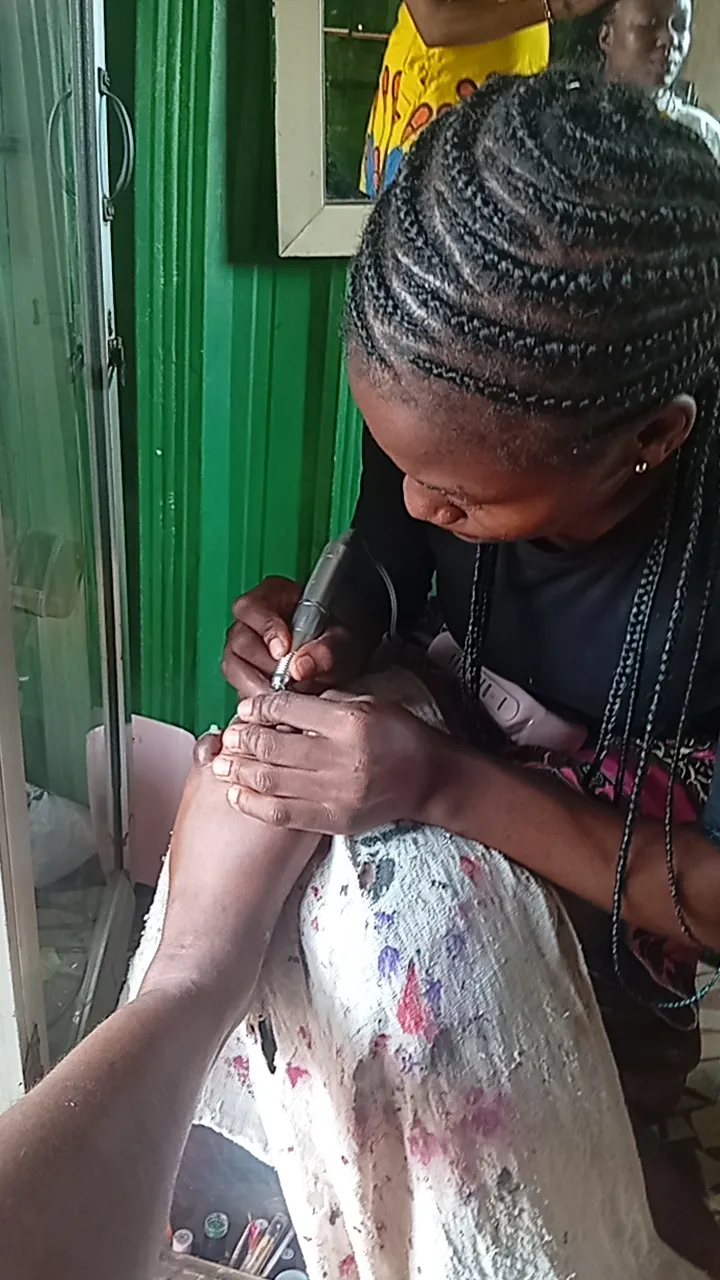
Photo: LizzyStev, CC BY-SA 4.0, via Wikimedia Commons
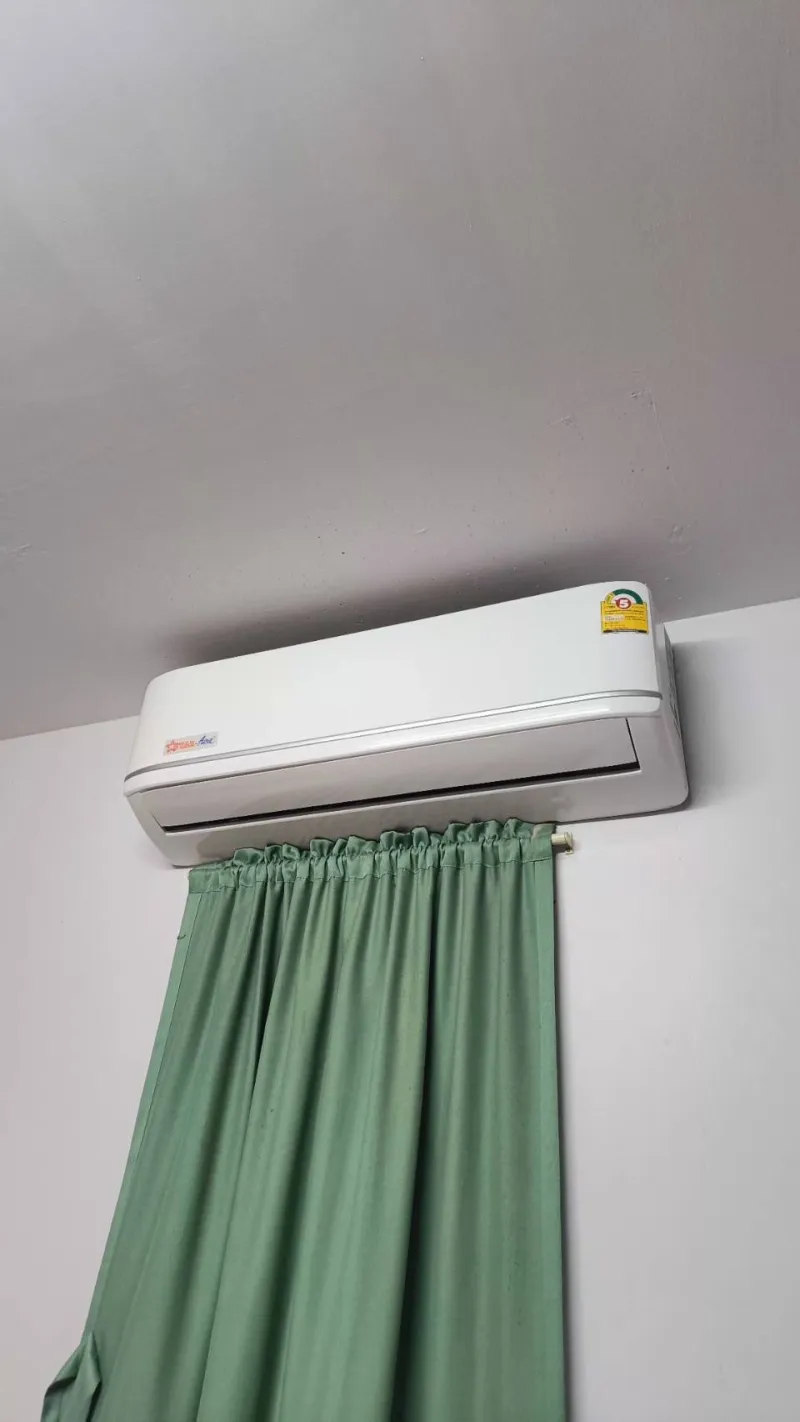
Salons are compact, heavily occupied chemical workplaces. Acrylic monomers, gel systems, acetone-based removers, aerosol hairsprays and sanitising products all release vapours or fine particles into the same room where staff and clients spend hours. A single ceiling extract fan may be present, but its existence is not the same as managed ventilation. The useful question is not whether a fan has been installed. It is whether anyone can show how that fan, the background openings and the daily appointment pattern work together.
That evidence does not need to be elaborate. A salon airflow file can be kept to a few pages and updated with the same discipline as a colour stock sheet. Its purpose is to make ventilation visible: which products are used, when extract runs, how the system is maintained, and what happens when the salon is full.
Begin with the product register, not the fan
A ventilation record that starts with equipment tends to miss the reason ventilation matters. Start instead with a simple product and process register. Group products by type rather than brand: acrylic liquid and powder, gel polish, acetone remover, primer, aerosol sprays, cleaning and sanitising agents. For each group, note where it is used, how often, and whether the task is brief or prolonged.
This need not duplicate the COSHH assessment. It is a short operational index that points to the assessment and helps the person opening the salon understand which stations generate the most vapour. A nail desk using monomer all day is a different ventilation problem from a beauty room used for occasional polish changes. The register makes that difference explicit.
Match extract runtime to the appointment book
In many salons the extract fan is switched on when the first client arrives and off when the last one leaves. That is a reasonable starting point, but it is not a record of control. A more useful schedule links runtime to the working day: a pre-opening purge, continuous operation during treatments, and a post-closing period to clear residual vapours before the room is cleaned and locked.
Busy days require particular attention. When every chair is occupied and removals, filing and application overlap, the extract system is working against a higher load. The airflow file should record the actual start and stop times on representative days, including at least one peak day and one quiet day. If the extract is controlled by a timer or a current-sensing switch, note the setting and check that it has not been altered. If it is manual, record who is responsible for switching it on and off.
This is not about creating paperwork for its own sake. It is about being able to answer a simple question: on the busiest day of the week, was the extract running for the whole period when vapours were being produced, and for long enough afterwards?
Prove the extract path, not just the fan
A fan can run and still fail to remove air effectively. Salon extract systems collect dust, lint, hair and aerosol residue. Filters may be missing, overloaded or the wrong grade. Flexible duct may be crushed or disconnected above a ceiling. The external terminal may be close to an opening window or recirculating air back into the building.
The file should therefore include a maintenance section with dates and observations, not merely a tick box. Record filter changes, cleaning of grilles and accessible ductwork, and any pressure-drop or airflow reading where the system allows one. A photograph of the terminal and the filter condition at each service is a practical addition. If the system has no measuring point, note that and ask the maintenance contractor whether one can be added at the next service.
Where local exhaust is used at the source, such as a desk-mounted extraction hood, its position matters as much as its airflow. Record whether the hood is moved during treatments and whether staff have been shown how to use it. An extract hood pushed to one side is not evidence of control, however good the fan specification.
Background ventilation and the make-up air question
Extract cannot remove air from a sealed box. Every salon needs a path for replacement air. In older premises this may be provided by gaps around doors and windows, trickle vents or a passive wall vent. In newer or recently sealed premises, those paths may have been removed during refurbishment.
The airflow file should record the intended background ventilation and any changes to it. Open windows are not a reliable strategy: they depend on weather, security, noise and staff habit. A window that is opened in summer and sealed in winter does not provide year-round evidence. Record the presence of trickle vents, door undercuts, wall vents or mechanical make-up air, and note any obvious obstruction.
If the salon relies on an open door to a corridor, check whether that door is fire-rated or required to be kept closed. Ventilation evidence should not conflict with fire safety. Where make-up air is inadequate, the extract fan may be noisy but ineffective, and the remedy may be a properly sized transfer path rather than a larger fan.
CO2 spot readings as occupancy evidence
Carbon dioxide is not a measure of solvent vapour. It is, however, a useful indicator of how well a room is being ventilated for the number of people in it. A simple portable CO2 meter can provide spot readings that sit alongside the product register and extract schedule.
Take readings at a consistent point, away from open windows and direct breath, at roughly seated head height. Record the time, the number of occupants, the extract status and whether windows or doors are open. A quiet mid-morning reading and a busy Saturday reading tell a more useful story than a single number. Rising CO2 during a full appointment book suggests that general ventilation is not keeping pace with occupancy; it does not prove that vapour control is adequate, but it is a prompt to review extract runtime and make-up air.
Use the readings as operational evidence, not as a substitute for COSHH assessment or exposure monitoring. Their value lies in repetition and context.
A one-page file that survives real salon use
The airflow file can be kept as a simple folder or spreadsheet with six sections: product and process register; extract runtime schedule; maintenance and filter log; background ventilation record; CO2 spot readings; and exceptions. The exceptions section matters most. If the extract was off for an hour because of a fault, or if a filter was overdue, record it and record the action taken.
Review the file monthly, and again before busy seasonal periods. The aim is not a perfect record with no variation. It is a record that shows ventilation is understood and managed when the salon is full, when the weather changes and when equipment ages. That is the kind of proof a salon can stand behind.