Frost as Evidence: A Cold-Morning Ventilation Walk-Round
There is a particular usefulness to the first hard frost of the heating season. Milder weather can disguise a ventilation system that is underperforming, because the temperature difference between indoors and outdoors is too small to produce obvious symptoms. On a frosty morning, surfaces, pressure differences and condensate routes behave differently. A cold snap does not create most ventilation faults, but it often makes them visible.
That visibility is brief. Once the thaw arrives, water stains dry, frost disappears and a marginal extract fan may seem adequate again. The purpose of a cold-morning walk-round is therefore not to diagnose a system from a single observation, but to capture evidence while conditions are still useful.
Why a cold snap changes the evidence
In cold weather, the building fabric and external duct surfaces are colder. Warm, moist indoor air reaching a cold extract grille, terminal or uninsulated duct can condense more readily. The stack effect may also become stronger, and pressure imbalances caused by extract fans, closed doors or missing make-up air can become more pronounced.
For mechanical ventilation with heat recovery, low external temperatures test the condensate drain and frost-protection strategy. A unit may run apparently normally while its condensate route is partially frozen, or while a summer bypass or frost-protection mode is affecting performance. None of these observations is conclusive on its own. Frost and condensation are evidence of a condition, not a diagnosis. They should be recorded alongside temperatures, system status and the pattern of affected rooms.
Set the survey conditions before touching anything
Before opening windows or adjusting controls, record the conditions under which the symptoms appeared. Note the date and time, external temperature, wind conditions, room temperatures, relative humidity if available, occupancy, cooking or bathing activity, and whether the heating and ventilation systems were running overnight. If a Met Office cold weather warning is in place, record that too, because it helps explain the conditions being observed.
A few safety points apply. Do not remove electrical fittings, open fan housings or investigate combustion appliances. If there is a fuel-burning appliance, ensure carbon monoxide alarms are present and working, and treat any alarm as an emergency. The walk-round is a visual and sensory survey, not a repair visit. Photographs and notes are the priority.
A room-by-room walk-round
Wet rooms and kitchens
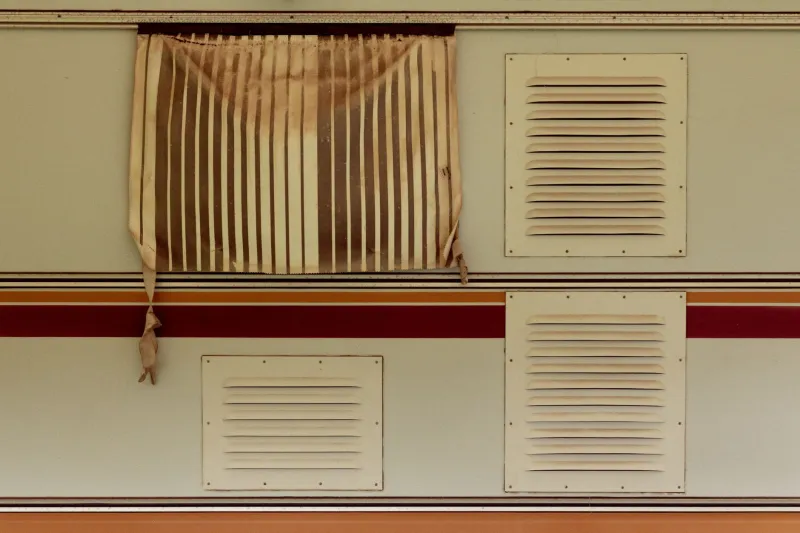
Check extract grilles in bathrooms, shower rooms, utility rooms and kitchens. Look for condensation on the grille, water staining on the surrounding wall or ceiling, dust build-up and, in severe cases, frost on cold metal components. A tissue held near the grille can indicate whether air is being drawn, but only where it is safe to do so and without blocking the opening.
Check trickle vents and background ventilators. Frost, ice or obstruction at the external louvre may reduce background ventilation. Note whether vents are open, closed or taped over, and photograph the condition rather than adjusting it during the survey.
Mechanical ventilation and heat recovery
Inspect the MVHR unit display for fault codes and confirm whether it is in a frost-protection mode. Check the condensate drain, trap and external route for ice or water backing up. Frozen condensate is a reportable defect because it can stop the unit removing moisture and may lead to water damage. Look at the external terminal for frost, ice build-up or blockage, and note the filter condition if it is visible without dismantling.
Make-up air and pressure
Commercial kitchens and high-extract rooms need a deliberate path for replacement air. On a cold morning, unbalanced make-up air may show as doors that pull heavily, draughts under doors, extract fans that struggle, or odours migrating into adjacent rooms. Compare the observed behaviour with the commissioning data if it is available. If the building has a kitchen extract canopy, check whether replacement air is provided mechanically or through openings, and whether those openings are obstructed.
Ductwork routes
Cold draughts are not always caused by windows. Ducts routed through roof spaces, plant rooms or other cold zones can lose heat, develop condensation at joints, or draw attention to leaks and thermal bridging. Look for cold spots on ceilings, condensation at duct joints, frost near terminals and draughts that appear only when the system runs. Photograph the terminal and, where safely accessible, the route and insulation condition.
Rooms that remain stuffy
The most easily missed symptom is a room that feels stale despite the heating being on. If a CO2 monitor is available, record readings over a short occupied period. A high reading in a room with no obvious extract fault suggests that background ventilation or occupancy assumptions may need review. Do not use a single reading as proof; record the time, occupancy and ventilation status alongside it.
What to photograph and write down
Photograph each affected grille, terminal, drain and wall surface twice: a wide shot for context and a close shot for detail. Include something for scale where staining or ice is present. Capture the MVHR display, any fault code and the condensate route. Record the time, room name, temperature, humidity and system setting in a notebook or phone note. Note any odours, draughts or noise, but keep descriptions factual.
Turning observations into an escalation
A single condensation patch may be a cold bridge or a local airflow issue. A pattern of condensation on one extract grille, combined with a fan that seems weak, is more useful. Frozen MVHR condensate, water staining, persistent high CO2 readings, obvious fan failure or strong pressure imbalances should be escalated promptly. Report the evidence while it is still visible, and arrange a service or commissioning review before the next cold period rather than waiting for the thaw to remove the symptoms.
A frosty morning is a temporary inspection opportunity. Used carefully, it can turn a vague complaint about stuffiness or draughts into a dated record that supports a proper ventilation assessment.